Webinar Registration Open: CA MUTCD 2026 Updates: What Agencies Need to Know for Active Transportation

July 23, 2026, 10:00 am to 11:30 am PT
Join the Active Transportation Resource Center for an overview of key changes in the recently released (January 18, 2026) CA MUTCD 2026. Learn what’s new, why it matters, compliance of existing devices, target compliance dates and how agencies can bring non-compliant devices on existing roadways into compliance with CA MUTCD 2026.
National Annual Event Brings Bike Safety Education & Collaborations to Schools Across California
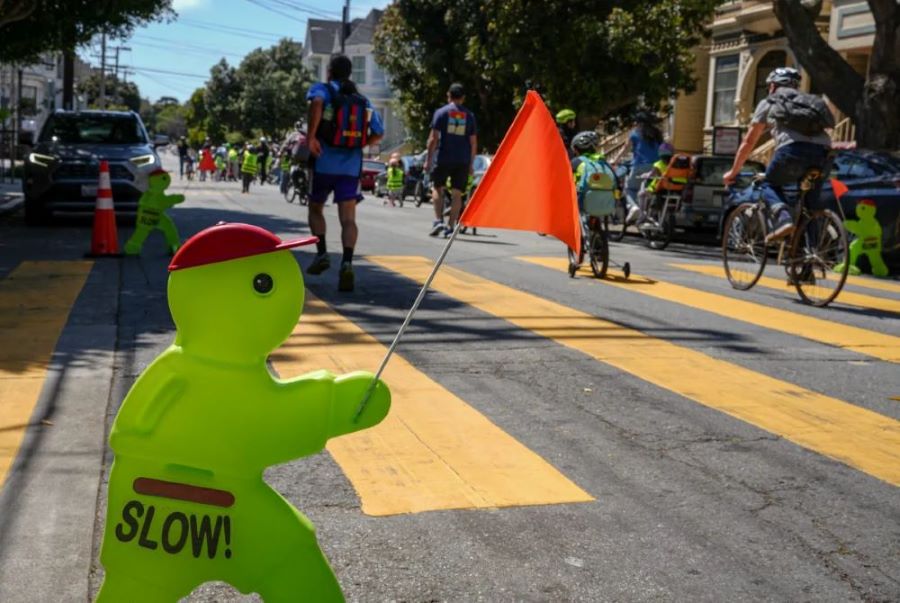
As National Bike & Roll to School Day wrapped up last month, schools and active transportation partners generated remarkable momentum, registering over 2,500 events nationwide, with California registering the most in the country at 325 events. For active transportation implementers, these annual events can provide valuable opportunities to address the safety needs of students who bike and roll to school.
Advancing Health Equity Through Active Transportation
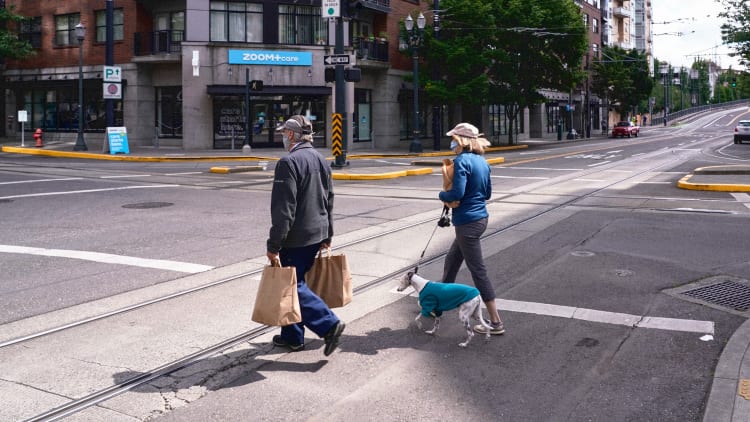
Research shows that a lack of transportation access is a serious barrier that puts people’s health at risk. Data from the CDC (Ng et al., 2024) indicates that roughly 15 million adults struggle to find reliable transportation for daily needs such as getting to work or the grocery store. Health is impacted by how easily we can move through our neighborhoods. Since mobility options vary across different regions and neighborhoods, benefits and harms are not evenly distributed. The legacy of underinvestment and disinvestment has left many parts of the state without safe, accessible, and equitable travel routes, including options for walking, biking, and accessing public transit, leaving those without access to a car at a major disadvantage.
Upcoming Webinar: Evaluating Change in Active Transportation Volumes from Infrastructure Projects
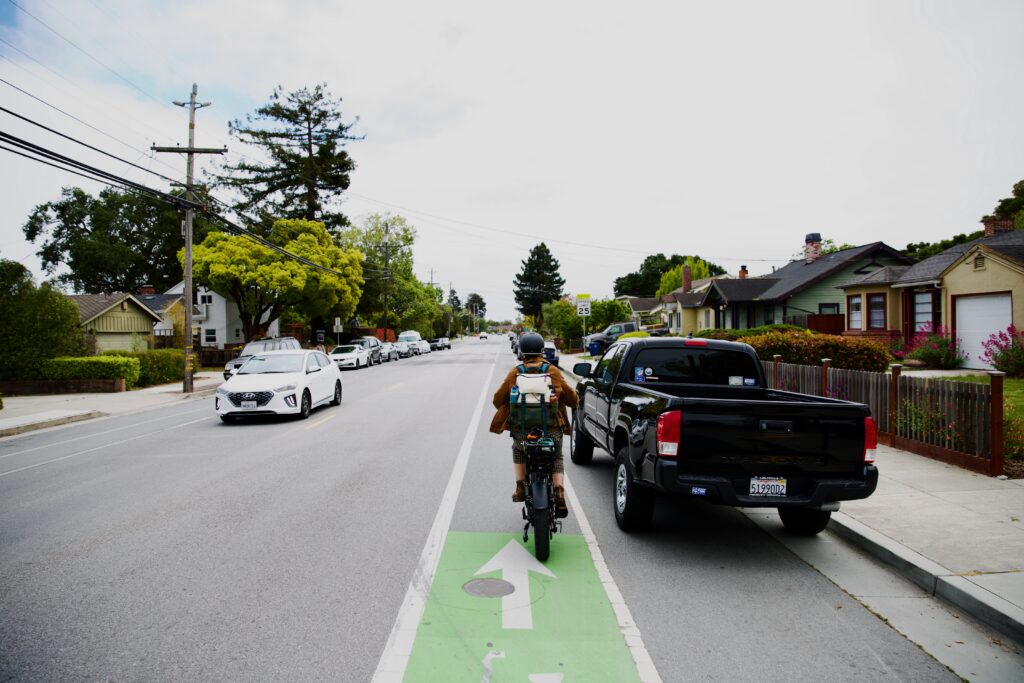
May 21, 2026 at 1 PM PT. Presented by: BicyclingPlus Research Collaborative and UC Institute of Transportation Studies. In this research webinar, Dr. Dillon Fitch-Polse and Caitlyn Linehan present their work applying and evaluating the framework of the California Active Transportation Benefit-Cost Tool with infrastructure projects in Santa Barbara and Santa Cruz, California. The findings provide insights to help agencies better understand estimates of project and program cost-effectiveness, including impacts on mode shift, emissions, safety, and physical activity.
Plan Ahead – May is Bike Month!
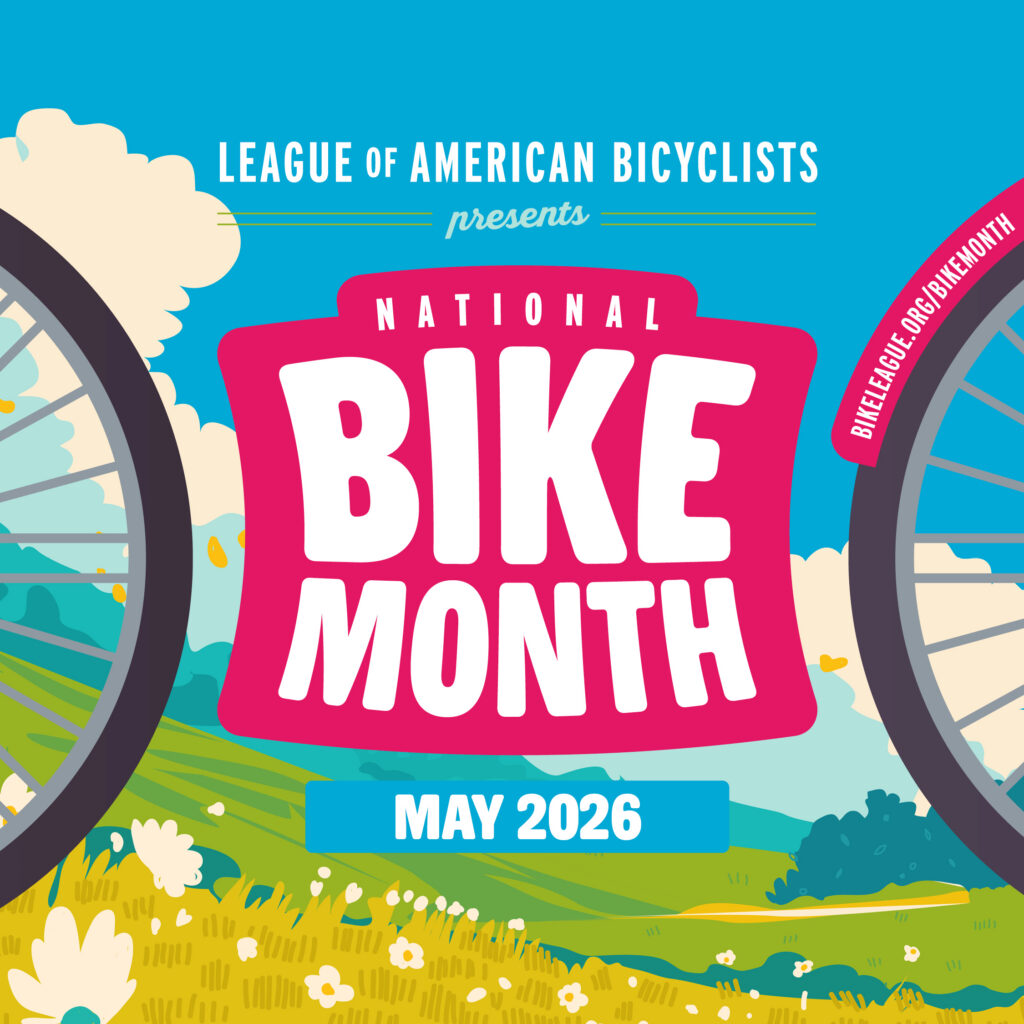
May is Bike Month (MIBM) – a perfect time to get outside, feel the sunshine, and rediscover your community on two wheels. Whether you’re a daily commuter or just dusting off your bike for the first time in a while, there are events, challenges, and resources to get you rolling.
Now Online: Free Active Transportation Special Topics Training Modules
The ATRC is excited to announce the launch of free, self-paced online training modules on 6 new topics related to active transportation: Intersections, Land Use and Active Transportation, Roundabouts, Safe Routes to School, Safe Systems, and Shared Micromobility.
Registration Open: April 2026 Bike and Walk Audit Training in Fresno

The ATRC is offering a free Walk/Bike Audit training in Fresno in April 2026. This two-module training includes a virtual session with classroom instruction and an in-person
session with hands-on fieldwork.
Active Transportation Program NI & Plan Office Hours – March 19, 2026

Were you awarded a Non-Infrastructure (NI) or Plan grant through the Active Transportation Program and have questions? Would you like to apply for an NI or Plan grant and want help? Join the ATRC’s office hours via Zoom where your questions will be addressed one-on-one.
Safe Riding and Walking through Winter Nights
It’s February, and as the days get a little longer and the night falls a little later, pedestrians and cyclists may be lulled into a false sense of safety, but there are still plenty of dark, wintry nights left to navigate. Over half of fatal pedestrian crashes happen between 6 PM and midnight, and nearly 45 percent of serious injury pedestrian crashes occur during the same time. For cyclists, almost 40 percent of fatal crashes occur between 6 PM and midnight; 46 percent between 3 and 9 PM. Here are tips and considerations for safely travelling by foot or on wheels at night to prevent crashes.
Health On the Move: Sustained Physical Activity through Active Transportation
Research shows that active transportation promotes lifelong physical activity by embedding movement into daily routines. Daily physical activity offers significant health benefits by controlling or preventing chronic disease and promoting positive mental health. Chronic diseases and mental health conditions account for most U.S. healthcare spending, consuming approximately $3.7 to $4.9 trillion annually. Physical inactivity, specifically, contributes to about 1 in 10 premature deaths in the U.S.